
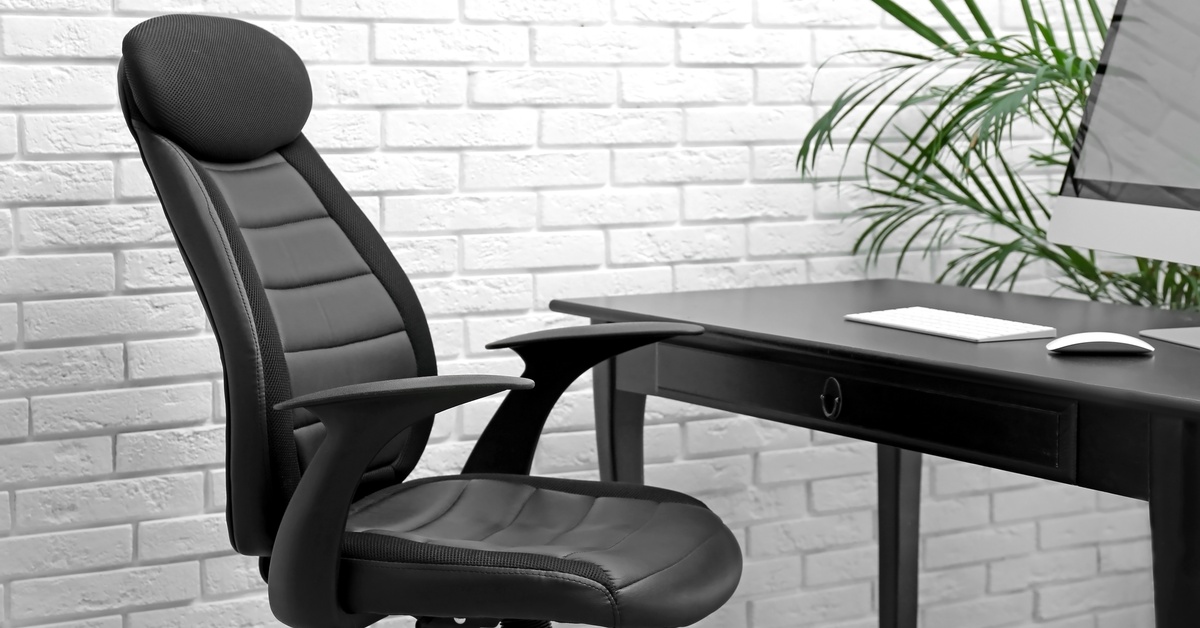
When it comes to office seating, durability is often seen as a function of materials and construction. While those factors matter, the role of adjustability in task chair longevity is just as important. Chairs that can adapt to different users and changing needs tend to last longer, perform better, and deliver more value over time.
Adjustability is not just about comfort in the moment. It directly influences how well a chair holds up under daily use, making it a critical consideration for both individuals and businesses outfitting workspaces.
Adapting to Different Users Over Time
One of the biggest challenges for task chairs is accommodating multiple users. In shared office environments, a single chair may be used by several people with different body types, heights, and sitting preferences. Without adjustable features, the chair experiences uneven stress, which can accelerate wear.
Height-adjustable seats and customizable lumbar support allow each user to find a comfortable position. This reduces strain on specific components and helps distribute weight more evenly across the chair’s structure. Over time, this adaptability prevents premature breakdown and extends the chair’s functional life.
Reducing Wear Through Proper Support
Improper seating posture can do more than cause discomfort. It can also lead to excessive pressure on certain parts of a chair, such as the seat cushion or backrest frame. Chairs without sufficient adjustability often force users into awkward positions, which increases wear in concentrated areas.
By contrast, chairs that allow for tilt tension adjustment, seat depth changes, and backrest positioning promote healthier posture. When a chair supports the body correctly, it experiences less stress overall. This means fewer structural issues and a longer lifespan, even in high-use environments.
Keeping Pace With Changing Work Styles
Modern workspaces are evolving, and so are the ways people use their chairs. Employees may alternate between focused desk work, collaborative sessions, and quick breaks throughout the day. A static chair cannot easily accommodate these shifts.
Adjustable task chairs provide the flexibility needed to support dynamic work habits. Features like recline mechanisms and synchronized movement allow users to shift positions comfortably. This versatility reduces the likelihood of misuse, which is a common cause of damage in office furniture.
Organizations working with a commercial office furniture dealer often prioritize these adaptable features, recognizing that they contribute to both employee satisfaction and long-term cost savings.
Long-Term Value and Sustainability
Investing in adjustable seating is not just a matter of comfort. It also has financial and environmental implications. Chairs that last longer do not need to be replaced as frequently, reducing overall costs and minimizing waste.
From a sustainability perspective, extending the life of office furniture is a practical way to lower environmental impact. Adjustable chairs are better equipped to remain functional and relevant, even as workplace needs evolve.
Understanding how adjustability contributes to longer-lasting task chairs highlights why flexibility should never be treated as a secondary feature. It is a defining factor in whether a chair remains functional and supportive for years or needs early replacement. For businesses aiming to balance performance, cost efficiency, and sustainability, investing in adjustable task chairs is a practical and forward-thinking choice.