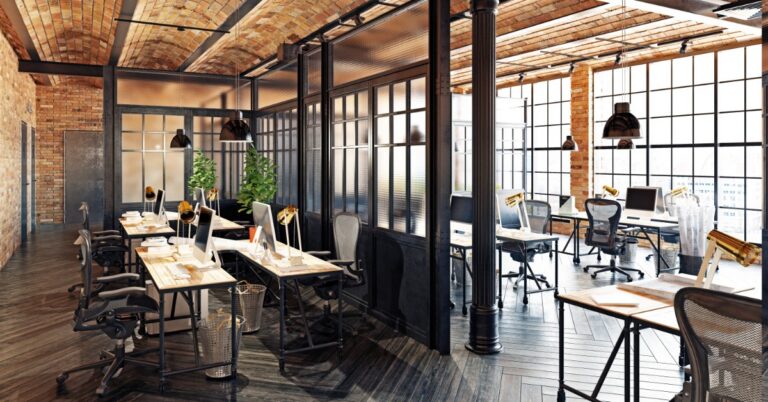

An organized office promotes productivity and reduces unnecessary stress. A cluttered space, on the other hand, can create distractions and make it difficult for employees to find what they need. Establishing a tidy environment starts with smart furniture choices and a clear strategy. These five design tips for keeping office storage organized will help you create a more efficient and functional workspace.

1. Maximize Vertical Space

Maximize your storage by using vertical space. Installing tall shelves, wall-mounted cabinets, and tiered storage keeps the footprint minimal while giving the office a more open and organized feel. Using vertical space effectively keeps essential items accessible without cluttering desks and common areas. This approach is particularly effective for storing office supplies and team resources that don’t require daily access.

2. Choose Multi-Functional Furniture

Choose furniture that does more than one job. For example, a credenza can double as a storage cabinet and a surface for printers or collaborative tools. Similarly, benches with built-in compartments or ottomans with hidden storage can serve as seating while keeping items neatly tucked away. Selecting versatile pieces helps maintain a clean, streamlined look throughout the office.

3. Integrate Storage into Workstations

A well-designed workspace includes integrated storage. Modern office workstations in Portland can include built-in drawers, shelving, and filing cabinets to keep personal and professional items organized. Providing employees with dedicated storage at their desks helps them manage their own space, which contributes to a tidier office overall.

4. Use Clear Bins and Labels

For shared storage areas like supply closets or breakrooms, transparency is key. Use clear containers so everyone can see what’s inside at a glance. Pairing them with a clear labeling system simplifies the process of finding and returning items. A simple system reduces the time spent searching for supplies and helps maintain order in the long term.

5. Designate Specific Zones

Create designated zones for different types of storage. For instance, establish one area for archival files, another for daily office supplies, and a third for communal resources. When everything has a logical home, employees are more likely to put things back where they belong. This structured approach prevents clutter from accumulating in random spots around the office.

Well-planned storage reflects your commitment to a thriving, efficient office. Implementing design tips for keeping office storage organized signals to your team that you value their productivity and comfort. Thoughtful solutions inspire confidence and support your business vision. Make the workspace a place where your team has everything they need to do their best work.

It’s easy to want the desk chair in a vibrant color or one that matches the office’s existing theme. However, more importantly, every piece of furniture must perform reliably under stress. While aesthetics matter, structural integrity keeps your team safe and your investment secure. Understanding why you should check office furniture load ratings is a critical step for any business decorating or renovating an office.

Prioritizing Employee Safety

The most immediate reason to verify weight capacities is safety. Chairs and desks have breaking points. If an employee exceeds a chair’s weight limit, the mechanism can fail, leading to falls or injuries. Verifying these specifications beforehand prevents preventable accidents. A safe environment allows your team to focus on their tasks without concern for their physical well-being.

Maximizing Long-Term Durability

Load ratings often correlate with a product’s overall build quality. A chair rated for 300 pounds typically features reinforced components compared to one rated for 200 pounds. Choosing higher-rated items often means you acquire sturdier frames and higher-quality materials. This durability extends the lifespan of your assets, reducing the frequency of replacements and saving company funds over time.

Accommodating Specialized Equipment

Desks and tables house more than just a laptop. Multiple monitors, printers, and sit-stand converters add significant weight to a workstation. If a desk bows or collapses under this load, it damages expensive technology and disrupts workflow. Reviewing the weight capacity of the surface areas ensures that your infrastructure can support the heavy tools your team uses every day.

Creating an Inclusive Workspace

A welcoming office accommodates everyone. Standard furniture may not suit employees of all body types. By selecting seating and desks with higher weight capacities, you foster an inclusive environment where every team member feels valued and comfortable. This approach eliminates the need for special accommodations later, as your baseline standard already supports a diverse workforce.

Balancing Office Furniture and Design

You do not have to sacrifice style for strength. Modern manufacturing allows for sleek, attractive pieces that still offer robust support. Expert planning for office furniture and design seamlessly integrates these high-capacity options into your layout. Whether you need heavy-duty filing cabinets or reinforced seating, partnering with top manufacturers allows you to maintain a cohesive look while meeting strict safety standards.

Your workspace should be a foundation for success, not a liability. Paying attention to technical specifications protects your people and your bottom line. That is why you should check office furniture load ratings before finalizing any purchase. Rose City Office Furnishings partners with reliable manufacturers to provide solutions that stand the test of time.

An office should feel like a place where everyone belongs. A great design makes that possible. When you create an environment that’s inviting and accessible, your space becomes a hub for collaboration and productivity. Implementing ADA-compliant office design concepts for accessibility opens doors and brings people together. When every employee feels welcome and supported, your whole organization thrives.

Clear Pathways and Navigation

A primary component of accessible design is maintaining clear, unobstructed pathways. All corridors and routes between desks and various rooms should be wide enough to accommodate wheelchair users comfortably. This means keeping hallways free of clutter, like boxes or stray equipment. Strategic furniture placement is key to creating intuitive and easy-to-navigate floor plans for all employees and visitors.

Accessible Workstations and Desks

Employee workstations must be adaptable. Height-adjustable desks are an excellent solution, as they allow individuals to customize their workspace for sitting or standing, catering to various physical requirements. When planning your corporate office furniture design, consider desks with adequate knee clearance and surface space to support assistive technologies. Thoughtful workstation selection helps every team member perform their best work comfortably.

Inclusive Common Areas

Break rooms, kitchens, and lounges are vital to company culture, and they must be accessible as well. Countertops and appliances should be at a height reachable from a seated position. Similarly, tables and seating arrangements should provide enough space for easy maneuverability. Selecting the right furniture for these shared spaces helps foster a connected, inclusive community in the office.

Reachable Storage and Shelving

Accessibility extends to storage solutions. Filing cabinets and other storage units should be within reach for all employees, including those who use wheelchairs. Choosing lower shelving units or implementing pull-down shelving systems can make a significant difference. Easy-to-use handles and hardware on drawers and cabinets also contribute to a more user-friendly environment.

Thoughtful Lighting and Visual Contrast

An accessible office supports individuals with visual impairments by providing ample, adjustable lighting and high-contrast color schemes. Glare-free lights and task lamps can improve comfort and make navigation easier for everyone. When selecting flooring or wall finishes, choose contrasting colors that highlight key features.

A commitment to accessibility benefits everyone. By integrating ADA-compliant office design concepts for accessibility, you create a supportive and empowering environment that allows your entire team to thrive.